
Action Alert: ACHP Launches Major Review of Section 106 Regulations
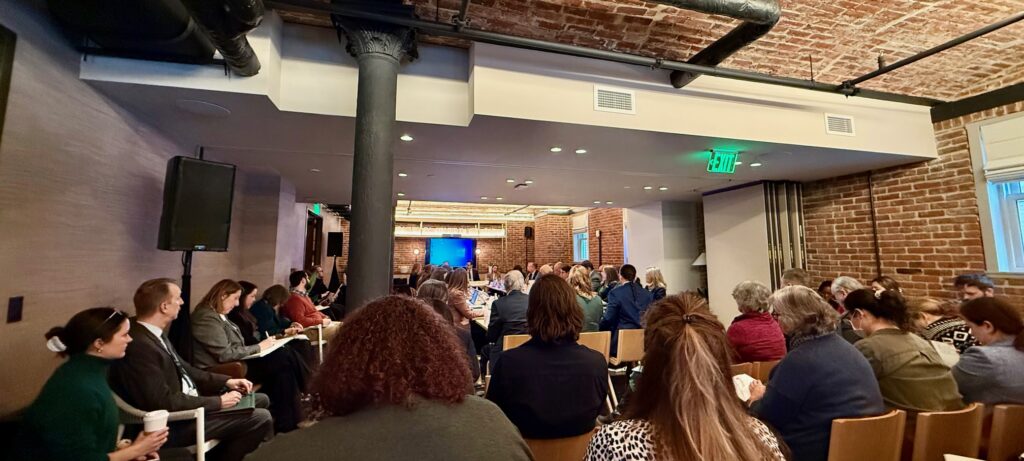
The Trump Administration’s stated goals to “streamline” permitting and “modernize” regulations came to historic preservation last week, when the Advisory Council on Historic Preservation initiated the first comprehensive review of the Section 106 regulations in over two decades. At their business meeting on February 12, the ACHP established the goal of this effort will be “to consider how the Section 106 regulations might be modified, clarified, or streamlined to better accomplish the statutory objectives and requirements of the National Historic Preservation Act (NHPA).” In his message kicking off the regulatory revision effort, Vice Chairman Travis Voyles highlighted four issues that need attention:
- Defining the undertaking and establishing the area of potential effects;
- Assessing indirect and cumulative effects;
- Managing review/scope of review for long linear projects with limited federal involvement; and
- Managing timelines for review.
For Tribes, cultural resource management (CRM) consultants, and the preservation advocacy community, this announcement marks the opening of a critical window to shape federal policy. Voyles announced the formation of a member-level task force to guide the revision process and asked interested members of the Council to let him know they would like to join the task force by February 20 and to provide initial comments on the regulatory revision by February 27. Voyles also noted that the task force will not have the authority to act on behalf of the Council, but it will advise the rest of the Council and develop draft recommendations. We expect the next opportunity for the full Council to vote on draft regulations will be its June meeting.
This Process Requires Urgent Engagement from Tribes, Preservation Advocates and Professionals, Local Governments, and Other Impacted Communities
At the meeting on February 12, Voyles promised to follow notice, comment, and rulemaking processes required by the Administrative Procedure Act, as well as relevant Executive Orders and laws triggering the trust responsibility to engage in government-to-government consultation with Tribes. At the same time, Voyles promised the Council will move quickly. Tribes and members of the preservation community should remain vigilant to ensure the Council not only adheres to the rulemaking process but receives thorough input from critical voices.
Key Questions for Upcoming Consultation
Vice Chairman Voyles asked ACHP Members to provide feedback on the following questions by February 27:
- Could the Section 106 regulations, or any portion thereof, be streamlined to more effectively achieve the statutory objectives of the NHPA? If so, what changes should be made?
- Are there any portions of the Section 106 regulations that are difficult to interpret or have become unnecessary, ineffective, or ill-advised? If so, please identify them.
- Have the Section 106 regulations, or any portion thereof, become outdated? If so, how can they be modernized to better accomplish the statutory objectives of the NHPA?
- Can any new technologies be leveraged to modify or streamline the Section 106 regulations? If so, please identify them.
- What additional information should the ACHP collect regarding the Section 106 process? Should the collection of such data be directed in the regulations?
- Are the Section 106 regulations, or any portions thereof, inconsistent with any E.O.s or directives issued by the President? If so, what modifications would ensure consistency with the orders and applicable law?
Below are a few of the main points that came up during the Council’s discussion of the revision process:
- Tribal Sovereignty and Expertise: Ira Matt (NATHPO) emphasized that the current regulations were largely adopted before Tribal Historic Preservation Officers (THPOs) became fully operational. He warned that streamlining the 106 process must not become a tool to bypass meaningful, early consultation. Regulations should also formally recognize Tribes as experts in their own cultures and include consideration of Indigenous Knowledge in the review process.
- Standardization vs. Flexibility: While the Permitting Council is pushing for standardized processes across agencies to improve predictability, preservationists like former ACHP Executive Director John Fowler also reminded the Council that Section 106 must remain flexible enough to accommodate different types of projects at different scales.
- The “Bottleneck” Debate: Several members noted that delays often stem from federal agency internal timelines and lack of staff training, rather than SHPO/THPO response times, which are already standardized. Witnesses at the Senate Energy and Natural Resources hearing in October 2025 made many of the same points regarding the sources of delays.
- Read more about this issue in our Insights post from November 3, 2025
- Documentation Standards: Discussion touched on updating documentation standards to ensure that “knowledge is not lost” throughout all stages of the process and that consultations for similar projects can be handled more efficiently without sacrificing due diligence.
- No Potential to Cause Effects: The Department of Defense (DoD) specifically requested a clearer definition of “no potential to cause effects” in the regulations and an opportunity to consider allowing agencies to rely on previous consultations for substantially similar projects. DoD is currently attempting to get a major Program Comment approved by ACHP, which would dramatically curtail consultation with Tribes and SHPOs even when projects do have adverse effects.
- Read more about this issue in our Insights post from February 7, 2026
- Linear Project Scopes: Managing the review for long, linear projects (like pipelines or transmission lines) was flagged as a major technical and administrative hurdle.
The Road Ahead: How to Participate
Voyles has called for the Council to move “without delay.” Preservation leaders are encouraged now to prepare a record of evidence-based solutions for the ACHP task force. With the ACHP merging its Tribal and Preservation offices due to staff cuts (now the Office of External Engagement), there are concerns about the Council’s capacity to handle the heavy consultation load required for these changes. Additionally, nine of the ACHP members have been in place for only about a month. Active engagement from potentially impacted communities, local governments, tribal governments, CRM consultants, and preservation advocates is absolutely critical to inform this process and to build a strong administrative record to support federal decision making.
Stay tuned as we continue to cover this process and ways to engage in the ACHP’s review of Section 106 regulations.