FOR IMMEDIATE RELEASE Contact: Marion Werkheiser, marion@culturalheritagepartners.com, 703-489-6059 VARINA, VA – April 11, 2022 – Today the Coalition for the Protection of New Market...
MONTPELIER DESCENDANTS COMMITTEE FOR IMMEDIATE RELEASE Contact: Greg Werkheiser, Attorney at Law Cultural Heritage Partners, PLLC General Counsel to the Montpelier Descendants Committee Phone: (703)...
Media Advisory Contact: Greg Werkheiser, Attorney at Law Cultural Heritage Partners, PLLC General Counsel to the Monacan Indian Nation Phone: (703) 408-2002 Email: greg@culturalheritagepartners.com Monacan...
We are delighted that historic preservation leader Christine Grubbs will join our firm at the start of the new year. Christine will be CHP’s Special...
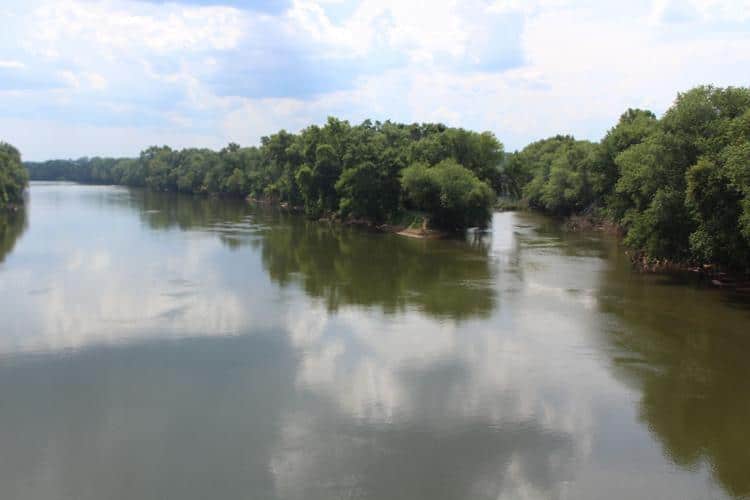
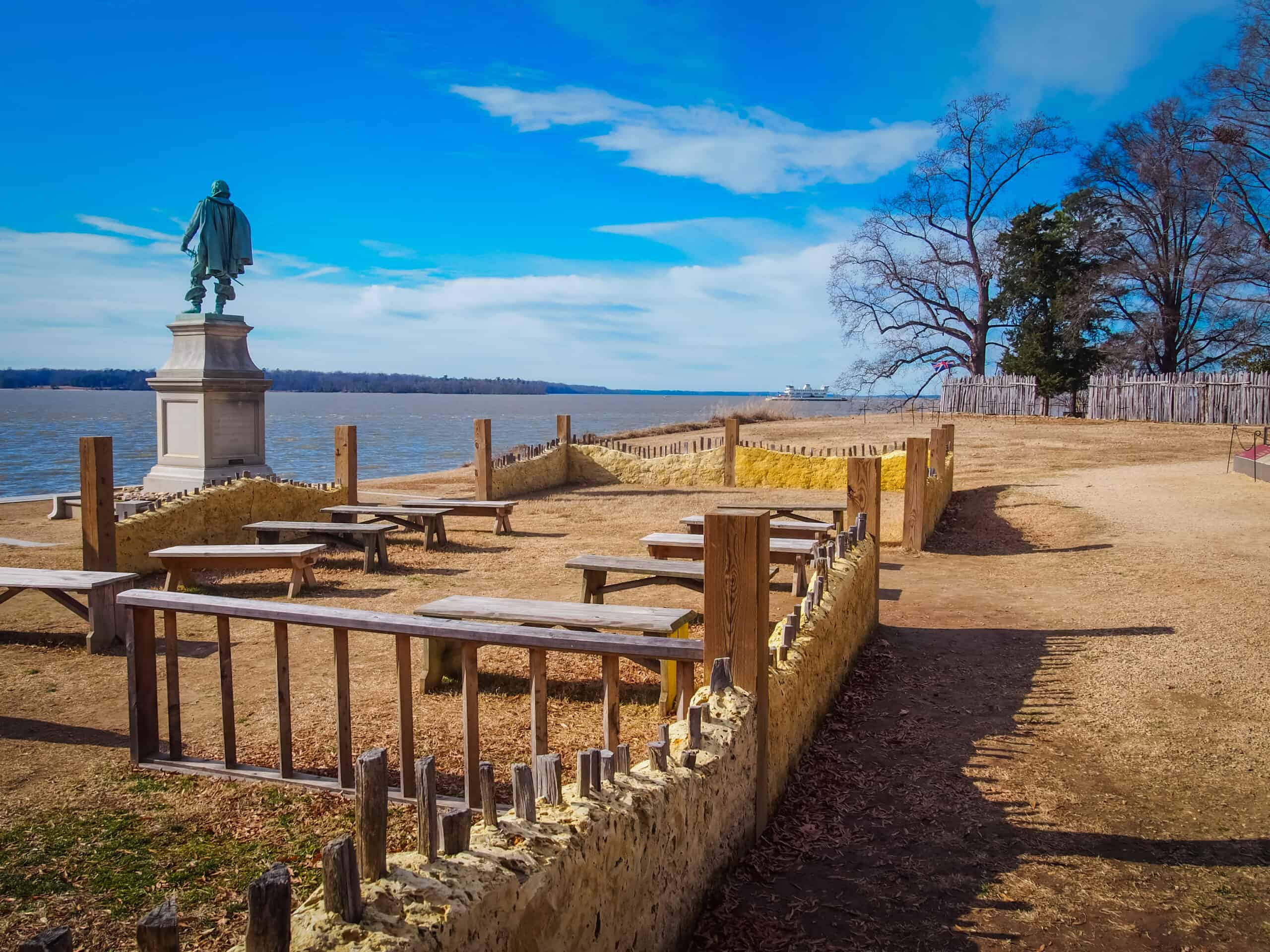
The public can submit comments through May 7 to the United States Army Corps of Engineers about Louisa and Fluvanna counties’ proposed James River Water...
A new report issued by the United States Government Accountability Office (GAO) calls upon federal agencies to fulfill their obligations under law to consult Indian...
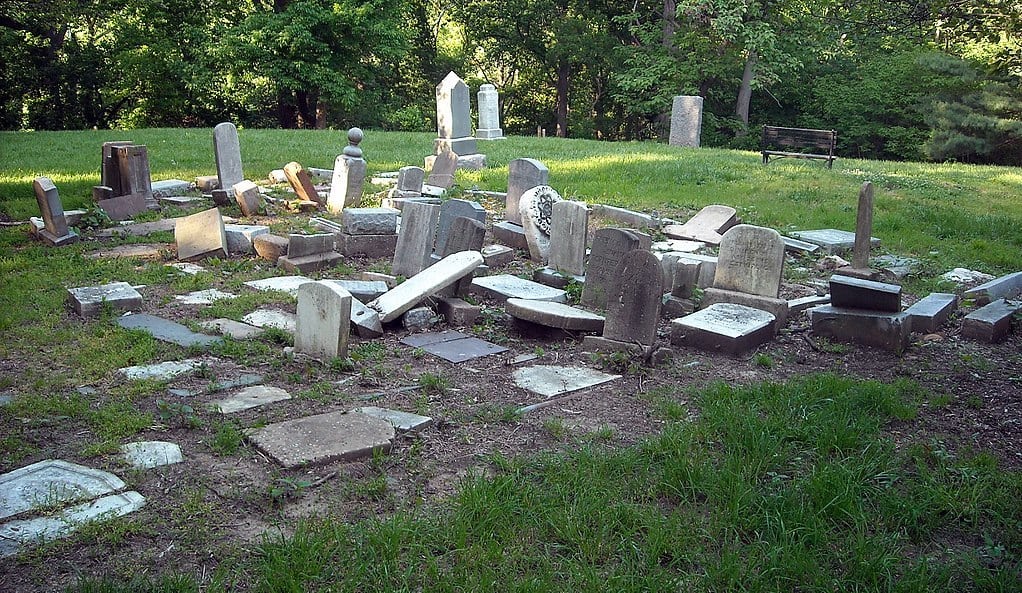
The federal support and expertise of the National Park Service may be headed toward historic African American cemeteries through the African American Burial Grounds Network...
Today, the Coalition for American Heritage submitted comments to safeguard historic preservation efforts that are being threatened by proposed changes that govern nominations to the...
On March 1 the U.S. Court of Appeals for the District of Columbia issued a blockbuster decision that has wide-ranging implications for preservation groups, Native...
The outcome of the November 6th midterm elections will determine which party controls the U.S. House of Representatives and the U.S. Senate. Currently, both chambers...
Last December, Congress passed the Fixing America’s Surface Transportation (FAST) Act, a $305 billion transportation funding bill with significant implications for historic preservation....
A lot of news (and panic) is rapidly circulating among the preservation and archaeological communities as the Developing a Reliable and Innovative Vision for the...
At a briefing on the Historic Preservation Fund (HPF) on Capitol Hill on June 17, 2015, Historic Preservation Caucus Co-Chairs Reps. Michael Turner (R-OH) and...
The Gas and Preservation Partnership (GAPP) held its inaugural Summit, Honoring Our History-Fueling Our Future, in Pittsburgh on March 21, 2014 at the Fairmont Hotel....
As one of its last items of business in 2013, the IRS released its long-awaited Revenue Procedure addressing Historic Tax Credits on December 30 (Revenue...
While front page news remains focused on the shutdown’s impact to the still-fragile economic recovery, the looming debt ceiling debate, health care and tax reform,...